
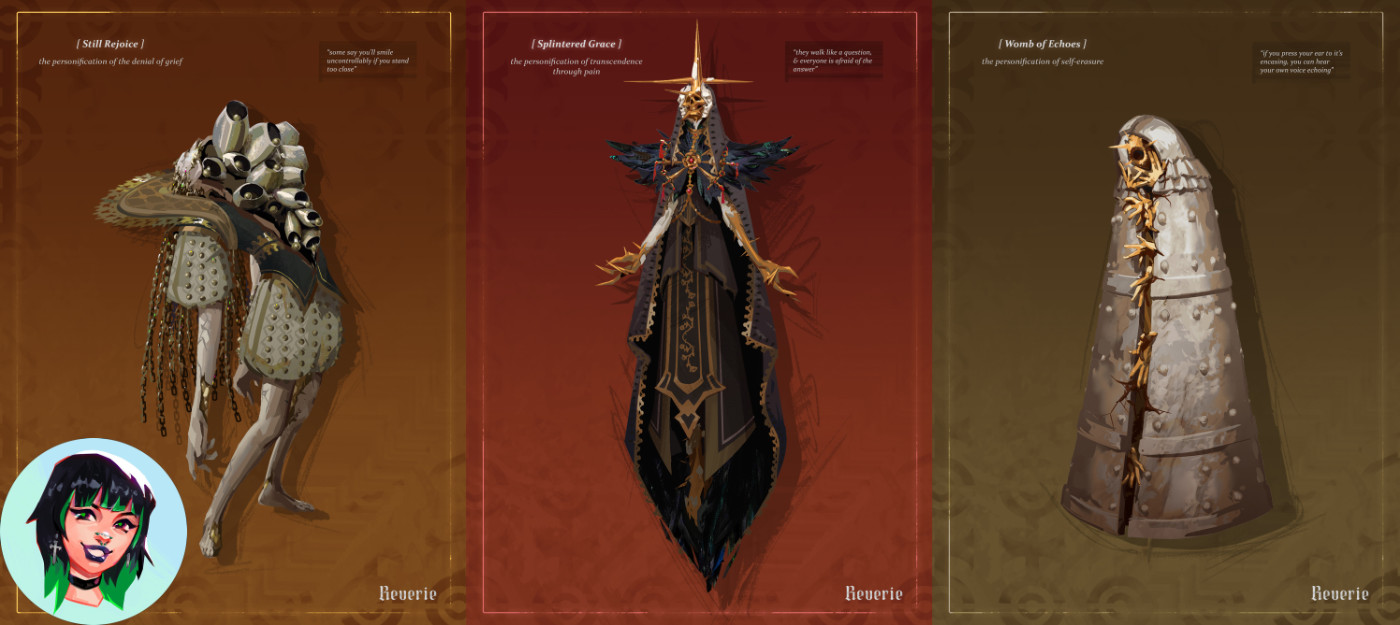

Kelley Daley is a video game concept artist passionate about helping early-stage artists get a foothold into the industry. A BFA graduate from the Academy of Art University, she's contributed to titles and campaigns with Hidden Leaf Games, Manticore Games, Wild Blue Studios, Lenovo Legion, and Intel. Online, she shares tons of tutorials and industry insights. She now thrives as a full-time Senior Concept Artist at Easy Games, and is an adjunct teacher at Brainstorm school where she teaches Stylized Character Design.
She's presenting a webinar on November 12th, 12:00pm Pacific Time, in collaboration with Wacom and the International Game Developers Association, about how to get hired as a game concept artist. It will be chock-full of tips and tricks for young artists, art school students, and recent graduates who are attempting to break into concept art about how to build their portfolios, the importance of networking, and much more.
Don't miss your spot: click here to register for the webinar now!
We spoke to her about her own journey to become a video game concept artist, her experience in art school, why she uses Wacom products for her artwork, and what interested people can expect from the upcoming webinar. Note: the following interview has been edited for clarity and length.
You create a lot of content about your journey to becoming a video game concept artist and giving advice to young or otherwise aspiring artists about how they can pursue the career as well. Why is this important to you?
When I was a student, I wanted someone to demystify the job, tell me what actually gets you hired, and roast my bad habits so I could level up faster. Sharing my process and mistakes compresses time for younger artists. It also keeps me honest: if I can’t explain my decisions clearly, I probably don’t understand them deeply enough. Teaching sharpens my craft and builds the learning community I wish I had.
Did you always know you wanted to go into video games, or had you considered other artistic career paths as well?
Pretty much, yes! Games were a huge part of my childhood. I told my mom from a young age that I would be an artist for games, but I just didn't know how. I explored adjacent lanes such as illustration and visual development. I still wear those hats, but game concept art provided me with the perfect blend of design, storytelling, and problem-solving. I enjoy creating ideas that withstand interaction with a live pipeline.
You’ve talked about how art school was the right choice for you, but might not be for everyone. Can you explain a bit more? For whom might it be a good fit?
School worked for me because I thrive with deadlines, critique culture, and structure. It gave me peers, pressure, and a scoreboard! School also forced me to go through 2-3 years of fundamentals, something that young artists often skip over too quickly.
It’s a good fit if you:
- Want consistent feedback and accountability.
- Learn best from live critique and rigorous fundamentals.
- Plan to leverage the network aggressively.
It’s not necessary if you’re self-directed, can source high-quality critique (mentors/discords), and you’ll actually build a focused portfolio on your own. The industry hires the portfolio after all, not the diploma.
What’s your upcoming webinar going to cover, and who should attend?
The webinar is built around one goal: helping artists to stop making “student” portfolios and start making “hireable” ones. I’ll be dissecting why most junior portfolios get passed on, then I’ll show what actually gets you noticed, piece by piece. We’ll also dig into the specific types of pieces studios want to see and why they matter in a real pipeline. And developing production-ready habits that show you understand how things are built. It’s for students, juniors, and self-taught artists who are ready to bridge that gap between “I can draw” and “I can design for production.” Basically, if you’re tired of polishing work that still isn’t opening doors, this session will show you how to fix that.
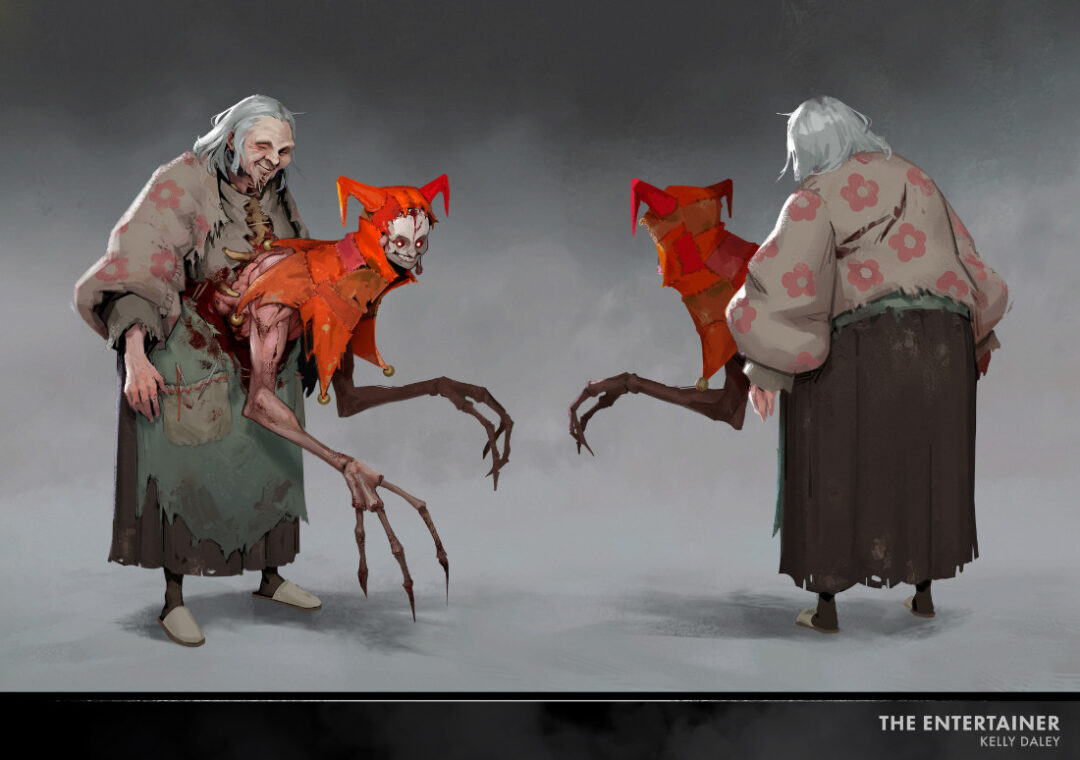
Whether they’re in art school or are teaching themselves, what kinds of work should young or aspiring artists focus on in their portfolios generally?
Aspiring artists should focus on portfolio projects that show their process and that prove they can iterate: thumbnails, callouts, alternative colors, materials, orthos, and a “why” for your choices. Two important things:
- Consistency: a cohesive portfolio style beats random one-offs.
- Engine ready: designs that would survive gameplay chaos (silhouette clarity, value placement, functional design).
How does this change if someone’s interested in doing character design, vs. environments, vs. assets like weapons, vehicles, or items?
For characters as well as weapons, vehicles, and/or items:
- Show multiple characters within one world. It’s impressive to see that you can build upon one idea and take it in multiple directions.
- Orthos for production, material callouts, VFX sheets, and expressions or pose lineups.
- Emphasize shape language and surface breakup that reads from thumbnail to close-up.
For environments:
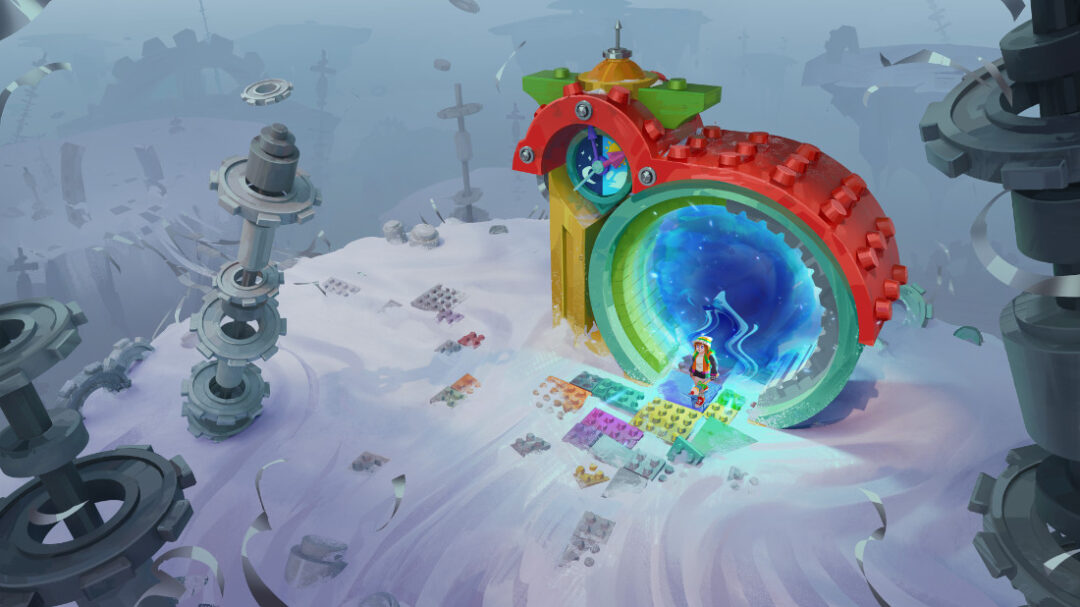
- Along with your overall environment key shot, don’t skip callouts of trims, props, signage, and navigable space (where the player goes).
- Try learning 3D and doing your environment paintovers over a simple level design blockout. Think about possible gameplay in that space, and how your concept accentuates it. Oftentimes in production you will be given a blockout and be told to flesh it out.
You use a Wacom pen display to create your work. How important is it for future concept artists to have high-quality tools like Wacom tablets?
I use the Wacom Cintiq Pro for my professional work. I want to be transparent in saying that high-quality tools help, but they’re not the answer in and of themselves. I’ve used pen displays and also a regular pen tablet; in fact, sometimes I move back to a non-screen tablet like my Wacom Intuos for stretches because it keeps my lines energetic and curbs perfectionism. A dependable tablet – Wacom or otherwise – gives you reliability and less friction, which is great for production. But remember that the hiring difference is taste, design thinking, and clarity, not your gear! Start with what you can afford, and upgrade when bottlenecks become real.
Why is networking so important when it comes to pursuing an art career?
It's important because portfolios don’t travel by themselves, people move them! The industry is small and trust-based, so cold applying will get you nowhere unless your portfolio is the best-of-the-best. Networking gets you:
- Context, which is what studios actually need.
- Connections that convert into interviews.
- Better critique loops so your next piece is targeted.
Do it by being useful: share your process, give others feedback, post breakdowns of your work on your various channels, attend events like LightBox, and follow up with gratitude and updates!
Do you have any general advice for aspiring artists?
Yes! First, pick a lane. Specialize enough to be referable: “the amazing stylized character/skin person” beats “that person who does everything okay-ish.” You can generalize later when you make a name for yourself in the industry.
Most importantly, though, be persistent. Most artists give up when they apply for jobs but get rejected, making the excuse that the industry is convoluted. That just means you’re not good enough yet, so keep grinding until you get there!

About the artist
Kelly Daley is a dedicated concept artist and illustrator in the video game industry. She has contributed to high-impact titles and campaigns at studios such as Hidden Leaf Games, Wild Blue Studios, Easy Games, Lenovo Legion, and Intel. Kelly blends visual development, environment concepts, 3D-to-2D workflows, and even set dressing in her work. She also finds immense joy in sharing art tips and tricks with aspiring artists, both through in-depth courses and on social media!
Follow Kelly's work on Instagram, Facebook, ArtStation, LinkedIn, X (Twitter), Tik Tok, or her website.