
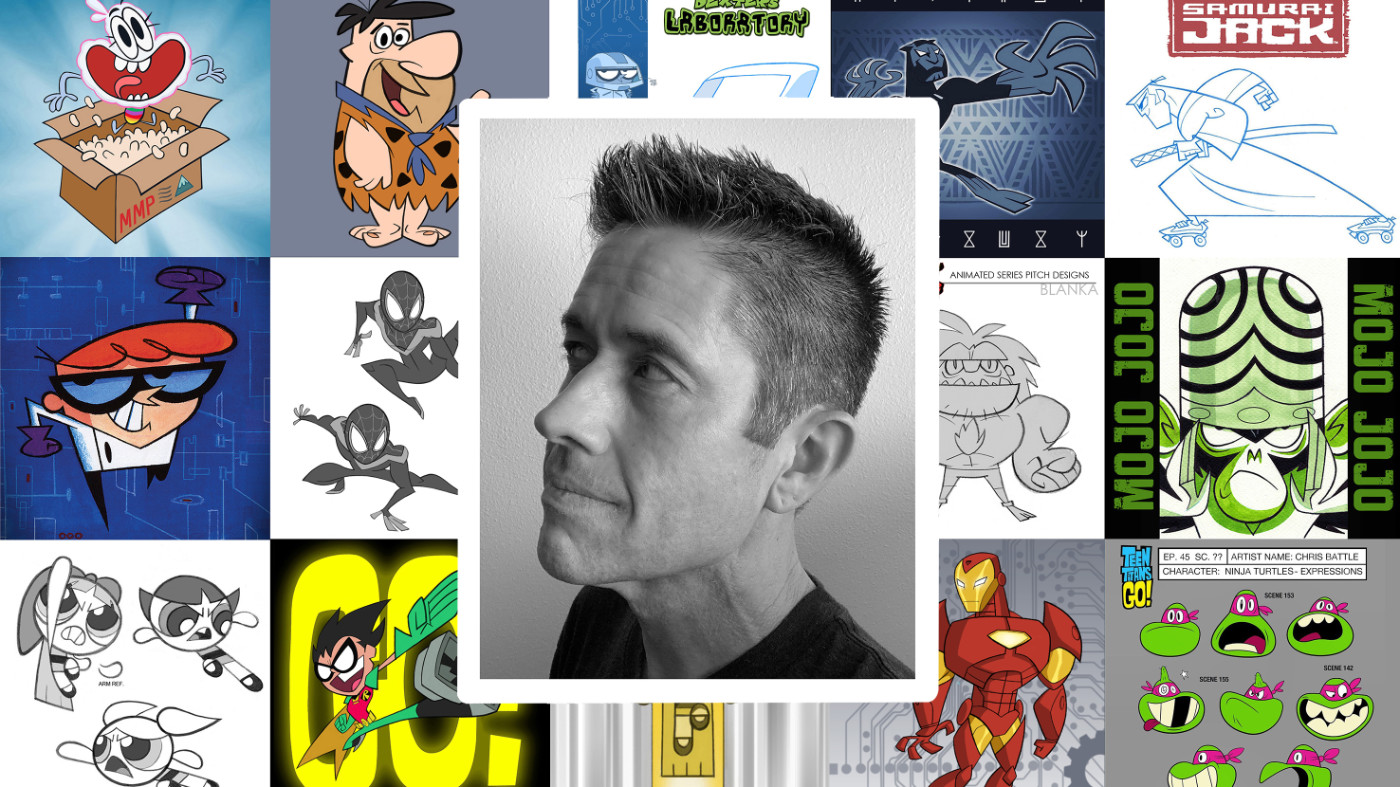
Chris Battle is an animation legend. He's a character designer who has, over the decades, worked on some of the most legendary and classic animated cartoons for studios like Cartoon Network, Nickelodeon, Warner Brothers, Disney, Marvel, and more – like Dexter's Laboratory, The Powerpuff Girls, Samurai Jack, and Teen Titans Go!.
Normally he works in the studio, but he's always kept a home office as well – both for personal or side projects and if ever has to work from home. That home office is stocked with his trusty Wacom Cintiq Pro 24 pen display, where he does most of his work. But sometimes he wants to move away from the desk and work somewhere else in his home – so he recently got his hands on the Wacom MovinkPad Pro 14 all-in-one drawing pad. In the video below, he discusses how the MovinkPad Pro 14 fits into his workflow.
We also interviewed him to ask about his background and what inspires him, his approach to animation, and any advice he has for young animators. Note: the interview below has been lightly edited for clarity and length.
You’ve been drawing superheroes since you were a child. How did you first discover your passion for art? Did your parents nurture it? Was it always comics, cartoons, and superheroes, or did you have other early art interests?
I can’t remember a time when I wasn’t drawing! Like most little kids, I was always drawing with crayons at a young age, and since both my parents have art backgrounds, they definitely encouraged my creativity with lots of paper, crayons, & pencils.
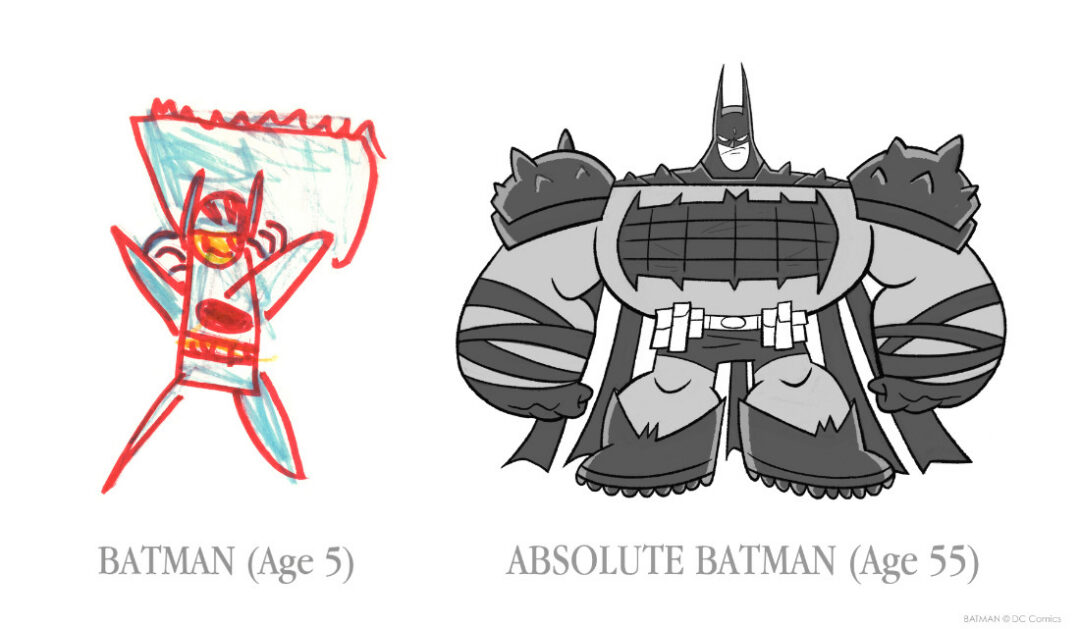
My early childhood drawings were definitely filled with the standard monsters and dinosaurs, but also superheroes, cartoon characters like Snoopy & the PEANUTS gang, and (like all Gen X kids) a ton of STAR WARS. Once my parents showed me how all cartoons and movies are actually drawn by artists who get to do that as a job, it was all I ever wanted to do!
What are your thoughts on art school for aspiring artists and animators? Both personally and, after decades in the industry, in terms of it being a pathway toward an animation career? Can online resources, like The Art Club, replace a traditional art school education?
I’m actually a rarity in the animation business, because unlike most of my contemporaries, I didn’t go to art school! I managed to sort of sneak into the industry at a time in time – the early 90s – when there weren’t enough artists to keep up with the demand for new cartoons, and they were giving young untested artists like me a shot at the big time!
Of course I had a lot to learn, having missed out on the basic art fundamentals taught in school, but I managed to learn by doing, and also by working with several CalArts grads who are now absolute legends in the animation world – Like Genndy Tartakovsky and Craig McCracken.
So, is it absolutely necessary? In my experience, not really! With the emergence of online schools like the Art Club & others, the gates are open for everyone to learn how to draw for animation, regardless of location or income, which is a great thing.
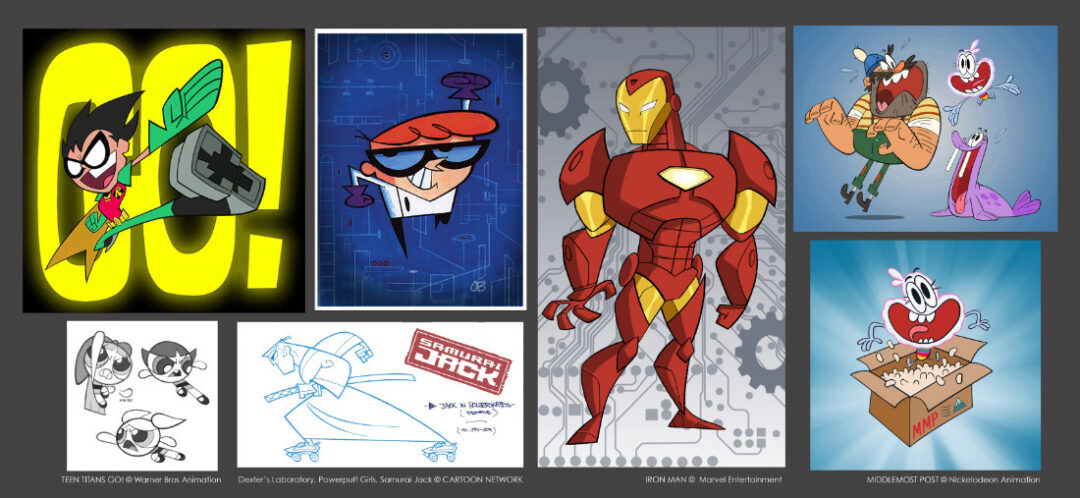
You’ve been working on iconic cartoons, such as Dexter’s Laboratory, The Powerpuff Girls, and Teen Titans Go!, for decades. How did you first break into the industry?
I was working at one of the few locations of the short lived Hanna-Barbera Stores concept, which were similar to the Disney Stores that used to be in malls everywhere, but these were all Flintstones and Jetsons themed, and were run directly by H-B Studios. Artists from the studio would drop by occasionally, and I wound up getting to know the head of design. My manager dared me to show my workplace doodles to him, and after I reluctantly did so, I was invited to come by the H-B Studios with my real portfolio so they could see my more polished work, which was positively received.
They asked me to keep in touch – in case they needed any new artists – and about a year later, I was hired for my very first professional art job at MGM Animation, which is where that head designer and many other artists had begun working after leaving H-B.
How has the industry changed since you first started?
The biggest change during my career is that art went exclusively from pencil and paper to mostly digital with the arrival of the first Wacom Cintiqs in the early-to-mid 2000s. At first, only art directors got to have them, but within a few years we all got to start playing with them, and they’ve been the industry standard for almost 20 years now.
But the fundamental process still stayed the same: We keep drawing/painting, regardless of medium!
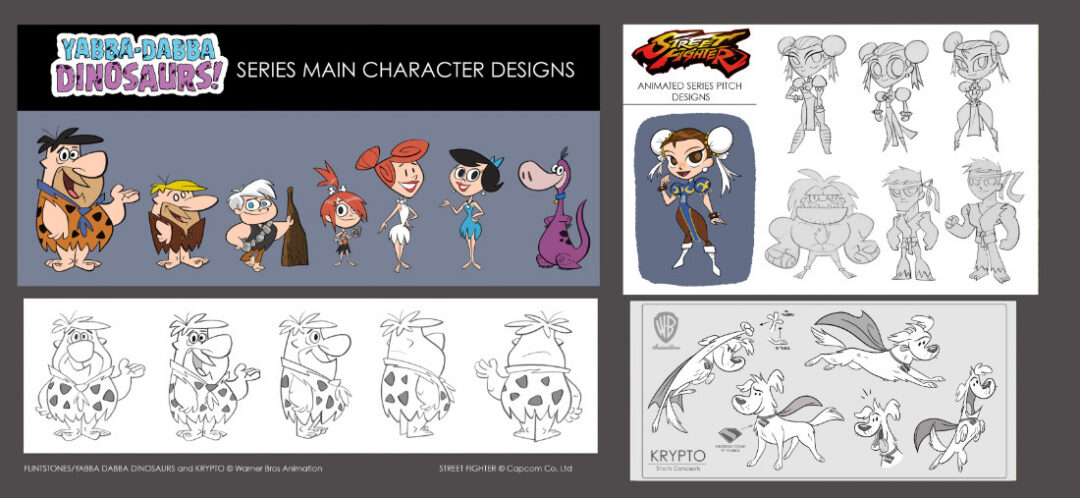
You’ve had a chance to spend some time with the Wacom MovinkPad Pro 14 portable drawing pad. How have you been able to integrate it into your animation workflow?
What’s been great about the MovinkPad Pro 14 is that I’m no longer chained to my home office desk! I can draw anywhere I feel like; Whether I just want a change of scenery or if I have to be somewhere that requires a lot of waiting around, the art can go with me.
What advice do you have for an aspiring animator in 2026 who’s dreaming of a creative career?
While there’s been a lot of changes to the animation industry lately, the gates are open wide for artists looking to forge their own path and get their unique creations out into the world. With the kind of digital toolkits available on Wacom devices and access to the internet, you’re no longer bound by proximity to entertainment hubs or traditional studio distribution systems. Sharpen your skills and start putting your art out there for everyone to see!
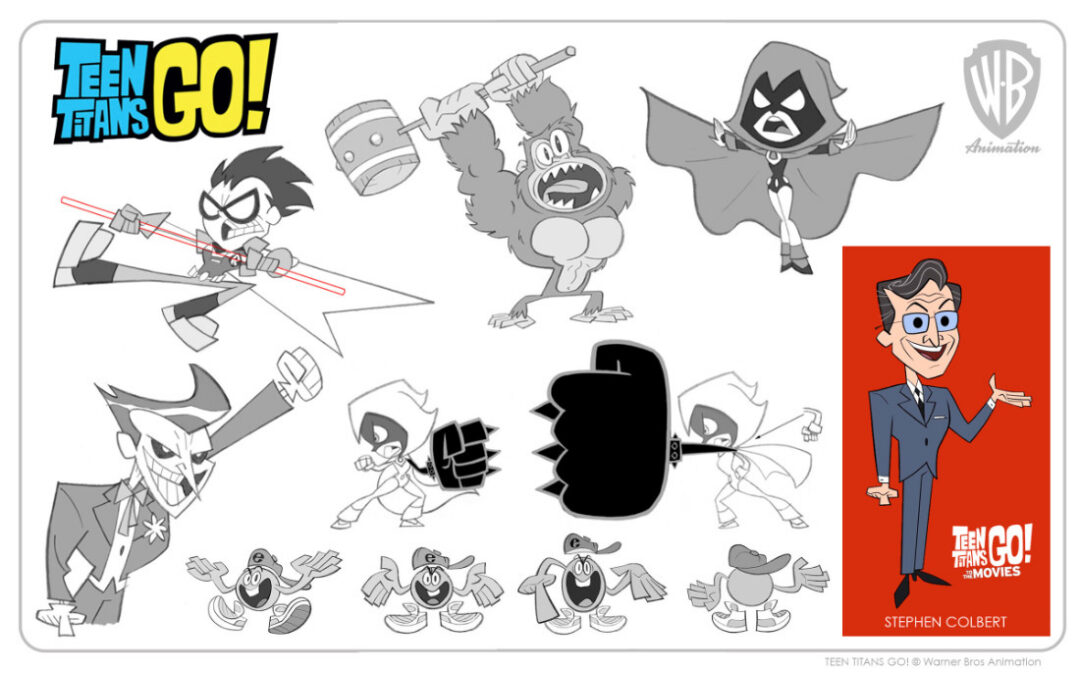
What’s one underrated thing young artists can work on, portfolio-wise, as they’re growing their skills and experience? Or, what is one thing you’ve always focused on in your work that has been a major contributor to your success?
Animation artists need to be professional mimics, so being able to mimic either a singular show style or a studio’s “house style” is one of the most important skills to have in your toolkit.
You’ll have plenty of time to develop your own style, which usually occurs naturally over time, anyways. So for now, concentrate on being able to adopt the styles of your favorite shows/studios. You’ll probably pick up some new skills along the way. Studying the masters has always been a pathway for improving your art skills!
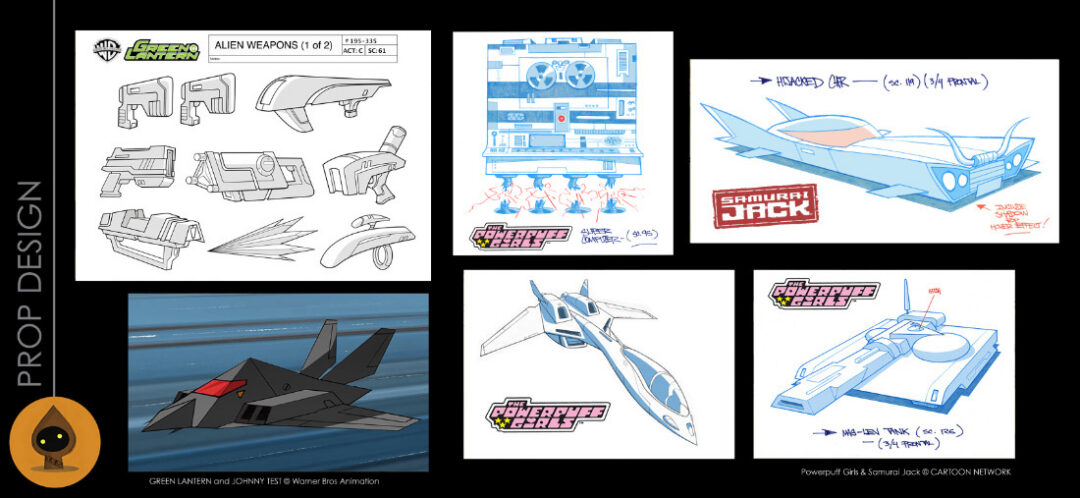
You’ve spent time as a full-time character designer in major animation studios such as Warner Bros., Nickelodeon, and Cartoon Network – but you’ve also spent some time freelancing. What are the pros and cons of each approach? What might young artists not know about each different path?
Working full-time in union studios is great not only for financial stability and the benefits that come from being a member of a trade union like The Animation Guild – health insurance, pension, etc. – but also for getting to work alongside other artists from all over the world. There’s nothing like bonding with your fellow artists and, most importantly, learning from them and growing as an artist.
Freelance can allow you to work in new styles and formats outside your usual 9-5 job, which, again, helps you learn new skills and grow as an artist. Anything that helps you grow as an artist is great!
After decades in animation, what inspires you and keeps you going?
I’ve always been inspired by all forms of art, whether it’s traditional art, movies, music, video games, or any kind of design, really, so I’m constantly inspired on a daily basis! Inspiration never ends, so I never get tired of it and always enjoy being a part of the art and entertainment worlds.
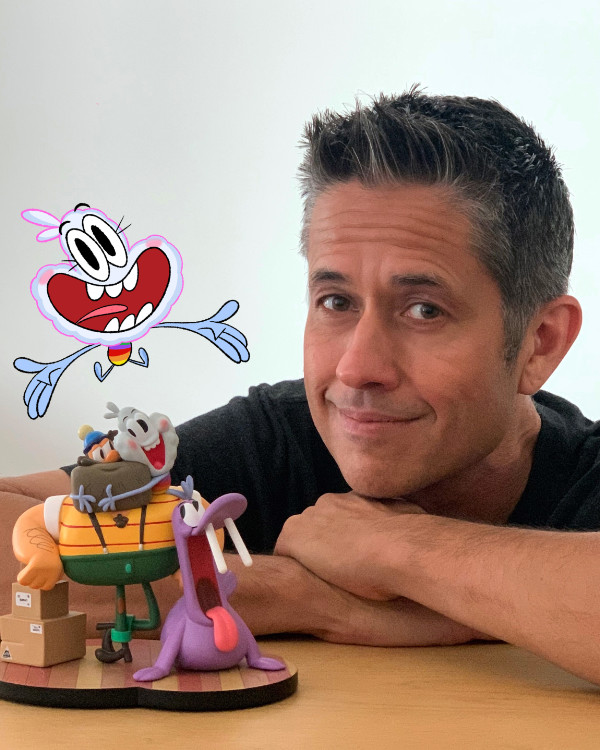
About the artist
Chris Battle is an Emmy & Annie-nominated animation character design artist, best known for his work on classic Cartoon Network shows Dexter's Laboratory, Powerpuff Girls, Samurai Jack, and Teen Titans Go!, as well as projects for Disney, Marvel, Nickelodeon, Warner Bros, and more. He also teaches a character design class for The Art Club.
Check out his work on ArtStation, Instagram, X (Twitter), Tumblr, Threads, Bluesky, or Facebook.