Animation has a long history, going back over 100 years to the early days of film itself. From Émile Reynaud's Théâtre Optique in the 1890s, to the hand-drawn "traditional" animation most associated with Disney classics, to today's 3D animated films, technological innovations like the introduction of Wacom creative pen tablets and displays and the 3D processing power of modern computers have continued to transform the medium. It follows logically that the next innovations in the animation would accompany new technological developments, but what if the most cutting-edge animated works were instead a return to the methods of an earlier era, coupled with the latest tech and forward-thinking vision?
That's what we thought when we first saw glimpses of Alex Boya's work.
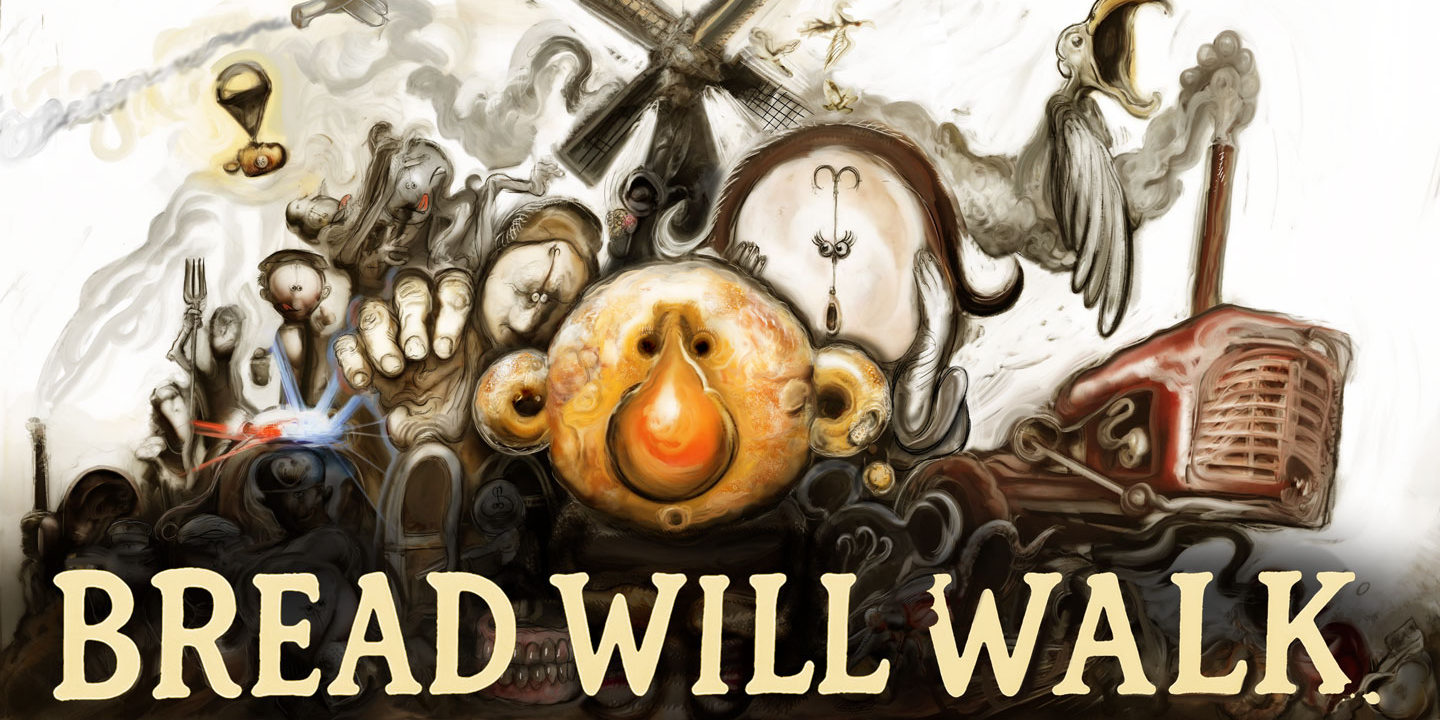
Though at first glance it might appear traditional – as though it were drawn in pencil on paper – after just a few moments, Boya's animation begins to exude surreality in every way: its subject matter, sound design, tempo, and style. This is clear in Turbine, above, but it is exemplified in his latest work, Bread Will Walk.
From the short synopsis, it's clear this is no ordinary animated film: "A devoted sister races to save her brother, a bread-turned zombie. A mob of hungry living pursues, mouths agape. Streets twist into mazes, reason crumbles. Can love defy appetite?" But by the first second of the excerpt below, it's clear that Boya's animation is like nothing else out there.
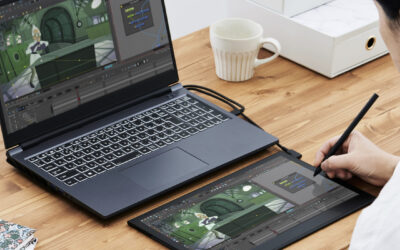
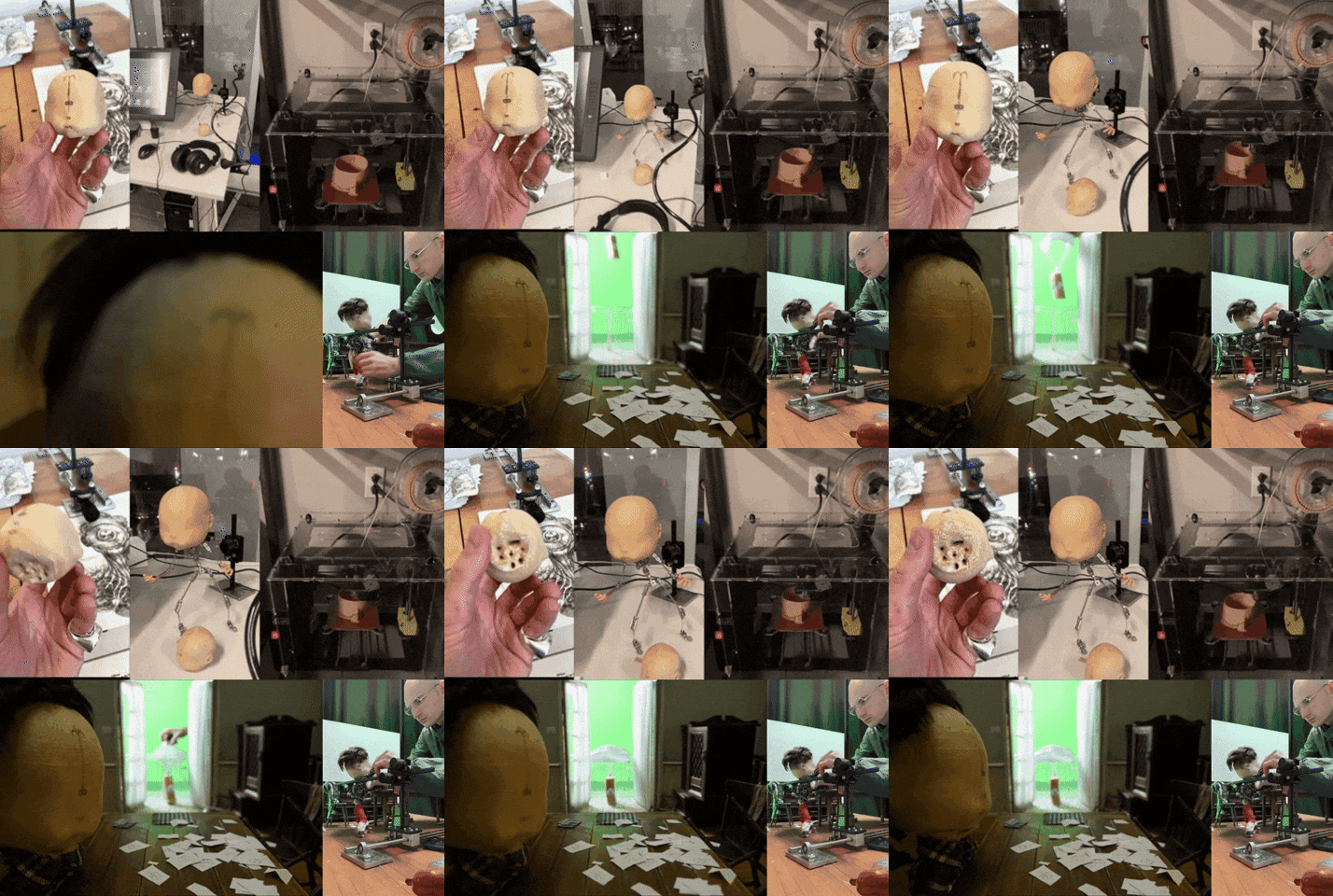
His unique style is the result of years of meticulous construction, much using Wacom Cintiq pen displays. "This project needed a workflow that was as fractured, layered, and emotionally unstable as the story I wanted to tell," he explains. "It started with ink-on-paper illustrations which I scanned and composited digitally. But the visual and emotional requirements kept growing. I introduced stop-motion sequences, digital clay sculpting, collage animation, analog miniature sets, and performance-based reference captured through physical maquettes and lens tests."
"I treat storytelling like exploratory surgery," he continues. "Each idea demands its own tools, its own incision. Wacom devices gave me the sensitivity and control to draw complex emotions frame by frame, while also providing the versatility to pivot across formats as the narrative shifted. I deliberately avoided a unified visual style. Instead, I allowed the materials themselves to lead the process. Paper texture, volumetric topology, and gesture-driven ink animation each served a narrative function. This hybrid visual language would not have held together without a digital drawing interface like the Cintiq, which allowed me to move between mediums while retaining tactile control."
We wanted to know why and how Wacom devices are such a crucial part of his process. "I have been a Wacom user since my earliest days in animation and graphic storytelling, almost twenty years now," he explained. "At the time, it was the Intuos series that first introduced me to a digital drawing interface that still felt human and responsive in a way no other tool did. Since then, I have used multiple generations of Wacom equipment. The reasons I stay loyal are consistent: nuanced pressure sensitivity, tilt recognition, ergonomic comfort, and robust build quality that withstands heavy use across production cycles."
How does he understand the interplay between the physical and the digital? Between traditional animation workflows and modern ones? "In a creative world where we must fluidly navigate between analog and digital, still images and moving sequences, traditional drawing and procedural design, Wacom tools continue to provide the subtlety needed to preserve the integrity of hand-drawn work," he says. "They also unlock complex digital workflows with a seamless, nearly invisible interface. For me, the pen is no longer a device. It becomes an extension of intention, something I no longer consciously notice while working."
He used his Wacom Cintiq throughout the production process of Bread Will Walk. "The Cintiq became both my sketchbook and my production dashboard. It enabled me to composite scanned drawings, texture digital models, and animate performances in a way that kept everything rooted in physical gesture. The high-resolution display and calibrated color response gave me confidence that each composition would hold up across different platforms, from theatrical projection to studio review screens."
"Just as importantly, the Cintiq allowed for fluid mark-making across multiple workflows. I used it to plan camera motion in 3D environments, paint layered expressions in 2D sequences, and annotate physical model builds destined for digitization. That consistency helped maintain a handmade aesthetic even while I was deep within digital processes."
We weren't surprised when we found out that Bread Will Walk was accepted to be shown at Cannes and Annency film festivals.
“With his edgy, unorthodox visual approach, Alex Boya treats us to a brilliant, continuous shot filled with surreal metamorphoses, blending hand-drawn animation, painting and digital collage, and in the process reinventing the language of animation." says Christine Noël, Executive Producer, French Animation Unit and English Animation Unit, at the National Film Board of Canada. "We’re extremely proud that it has been selected for the Directors’ Fortnight, a celebration and showcase of unique artistic visions, which are a hallmark of the creative lab philosophy of our animation units at the NFB.”
We at Wacom are just as proud that such an innovative project was created with the help of our products.

Alex Boya is a Bulgarian-born, Montreal-based animator and filmmaker known for his surreal, hand-drawn storytelling. At the National Film Board of Canada, he made Focus (2014) and Turbine (2018), both of which earned Special Mentions at the Ottawa International Animation Festival, with Turbine also winning Best Animation Short at NYC Shorts. Bread Will Walk sees him continue to craft worlds where poetry, technology and absurdity intertwine.