
Part 1: Mental
Procrastinators tend to self-deprecate by saying they’re just lazy: especially artists, who are haunted by the stereotype of laziness wherever we go. But more likely, it’s actually fear. And we know the scientific cause: Your right amygdala. The amygdalae are two coffee-bean-sized parts of your temporal lobes that regulate your emotions. The left regulates multiple ones, where the right specializes in fear, storing and recalling triggers.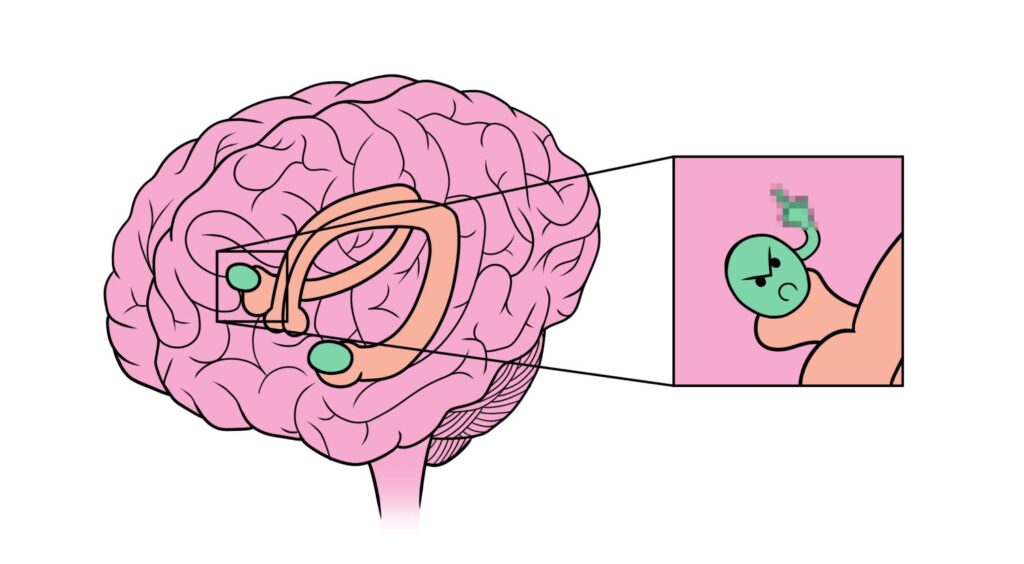 Fig. 1.
- Find an active art Discord where you can stream your drawing program. Being around friends and other users enjoying themselves will lessen the tension. And they’ll often provide positive feedback, inspiring you to keep going.
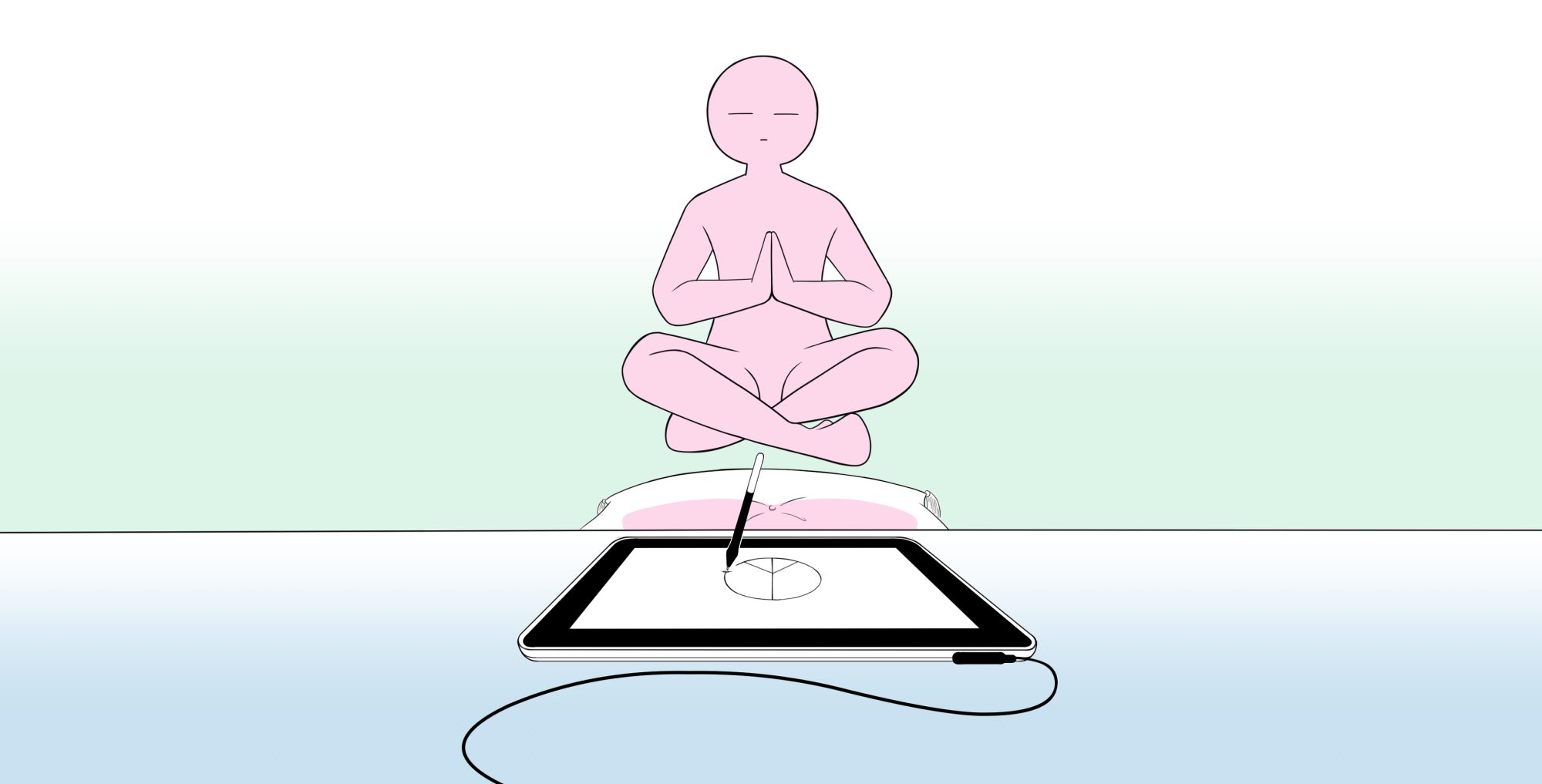
- Meditate for one minute before you start drawing.
- Put on a comedy album or podcast while you draw. (Audio only. Nothing you have to watch.) Having your drawing stress periodically interrupted by laughter will break the tension and create a positive association in your mind.
If It’s Still Not Working, Reevaluate What’s Wrong
...Sometimes, you try everything and it still just doesn’t come. Maybe it’s not just that the act of doing it feels intimidating, but the very idea of doing it just seems miserable. You don’t even care to see the final product that much, you just want it behind you so you can do something that doesn’t suck. If that’s the case, your failure to launch might be telling you there’s something fundamentally misconceived about the task at hand. There have been way more times than I can count when I’ve sat and been unable to do the thing for hours, then I decided to try drawing it from a different angle or with a different composition, and suddenly it just flowed out and the piece came together—or at least I could see a clearer path to the end from that point. There are people who’ll disagree with me on this—some of them industry professionals who have way more right to talk about it than I do—but drawing isn’t as linear as moving boxes from one place to another. There’s never just one way to draw a thing, or to solve a problem you encounter when drawing it. For some artists, it really is as simple as sitting down and drawing the subject in the way they best know how, at a steady pace until it’s done. Others work in bursts, but get a comparable amount of work done in the end. Simply learning your style and how to work with it goes a long way.Part 2: Physical
Untense
Hand, arm, and shoulder injuries are omnipresent among artists. And once again, that dastardly anxiety’s to blame. You can actually prevent physical injury by consciously untensing before you draw. And it’s more important than you might think. Stress has been shown to cause muscle rigidity and poor hand-eye coordination in athletes. Fewer physicians study digital artists, but we can assume the same for us. That means less fluid, less controlled drawings and a higher risk of repetitive strain injury. This is a several-step process, beginning with when you first sit down.Step 1: Back against the seat
And keep it there.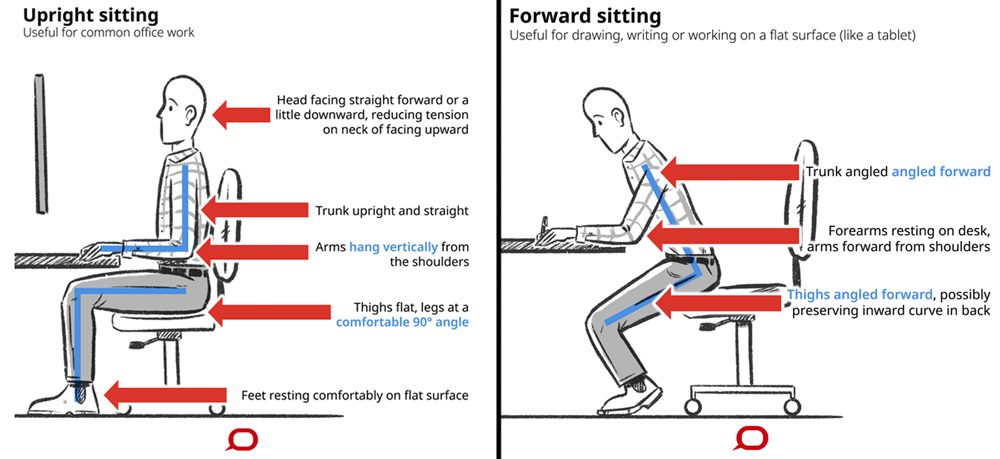
Images from Quartz at Work
Upright sitting is preferable, although the requirements aren’t as rigid as shown here. If you can avoid forward sitting, do so whenever possible. If you're using a flat tablet or a drawing monitor set at an appropriate angle, you should only need to use it while drawing on paper. Reclining is OK, but makes using a tablet harder on your arm. And if you must use the forward sitting position, bend at the waist as shown. Hunching with your upper back is a one-way ticket for the pain train.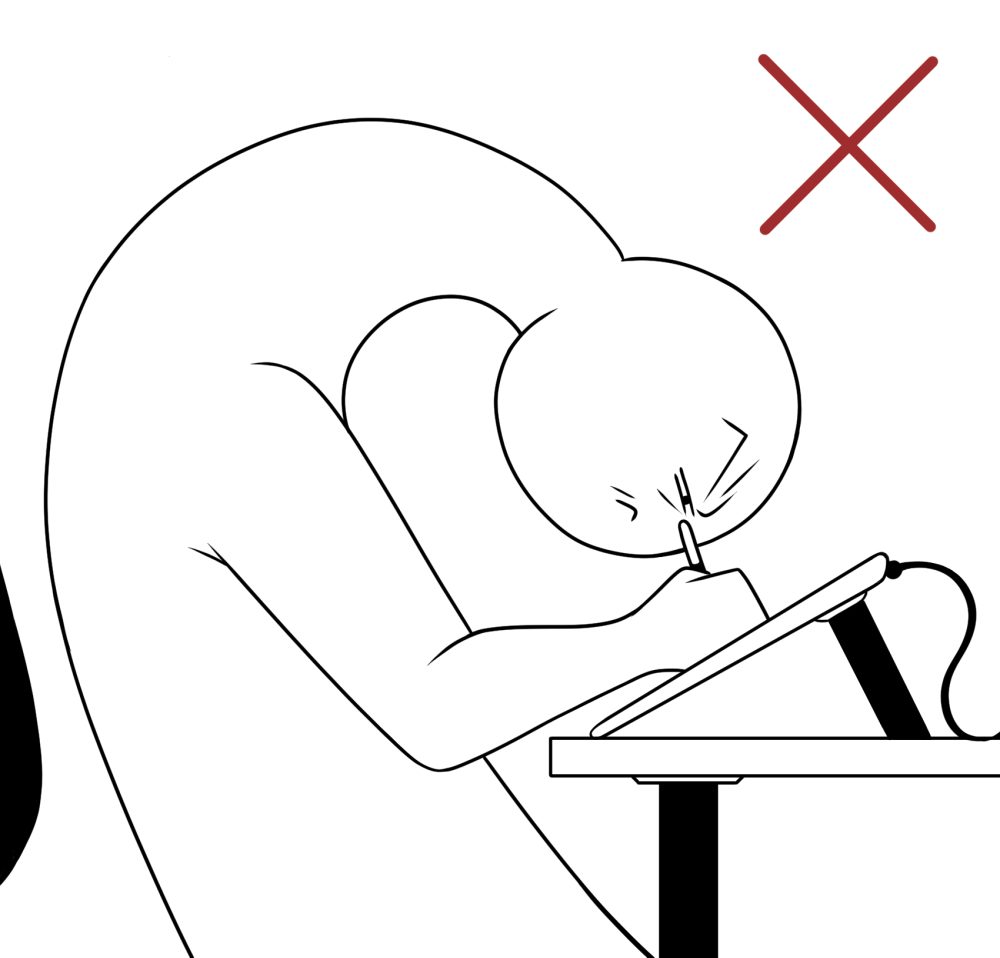
Step 2: Do This Stuff
If you’re reading this release your shoulders from your ears, unclench your jaw, and remove your tongue from the roof of your mouth. We physically tend to hold onto stress in least noticeable ways. Relax.
— devyn (@sentfromdevyn) August 6, 2018
Step 3: Warm Your Hands
It might not feel like it this year, but it's still technically winter, so keeping your hands warm is particularly important. If you have a space heater, make sure to hold your hands in front of it periodically. It keeps them limber. No matter what, make sure not to draw when they actually feel cold. Swear, it’s like having rigor mortis.Step 4: Release Your Death Grip on the Pen
When you’re tense—say, you’re worried about a deadline or frustrated that a piece isn’t coming out how you want—that stress manifests itself in your grip tightness. Other professions talk more about this than us. Guitarists warn against crushing the strings into the fretboard, since it limits your mobility and how quickly you can change positions. Calligraphers caution that too much pressure will ruin the stroke. It’s time we started as well. This is one of the most important things to be mindful of, since it paradoxically ruins the amount of control you have over the drawing, as well as causing you to get fatigued faster and slowly wearing out your hand. It might scratch your screen, too.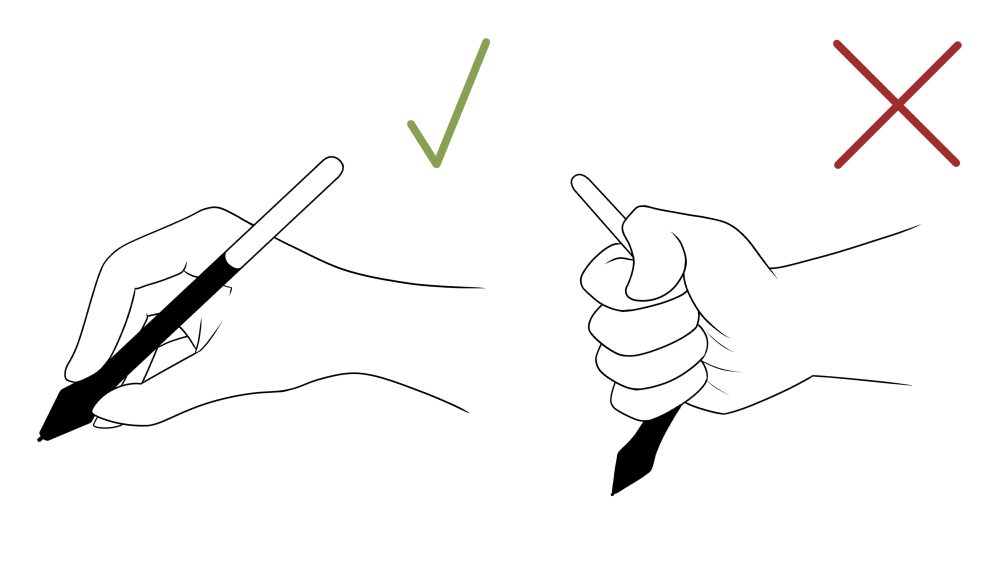
Step 5: Exhale
Stress causes shallower, faster breaths. Simply regulating it can greatly reduce tension. Make sure to stop periodically to breathe deeply, and be mindful of your no WAIT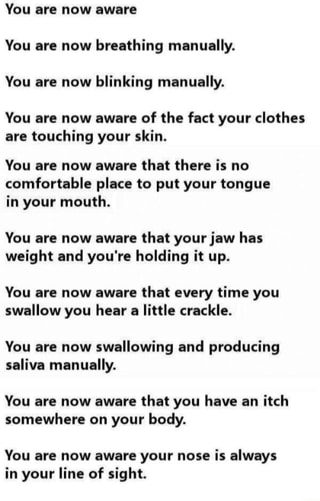
Sorry, that must be stressful.
As I’ve mentioned before, having a fun tool to work on lessens the anxiety of drawing, and I can attest that the One is a lot of fun. It has a great feel, making it comfortable to draw on. It’s easily portable—you can even run it off your laptop’s power, which I’ll be discussing in a future article, meaning that if you’re struggling to work at home, you can take it to a more pleasant environment. It’s also worth noting its pen is lighter and easier on the hands than the Intuos or Cintiq, though, meaning you need less pressure to draw with it. Just saying.
About the Author
 CS Jones is a Philadelphia-based freelance writer and illustrator. He's trying to take this advice himself, as he's a chronic procrastinator with finger pain. His work is best seen at thecsjones.com or @thecsjones on Instagram.